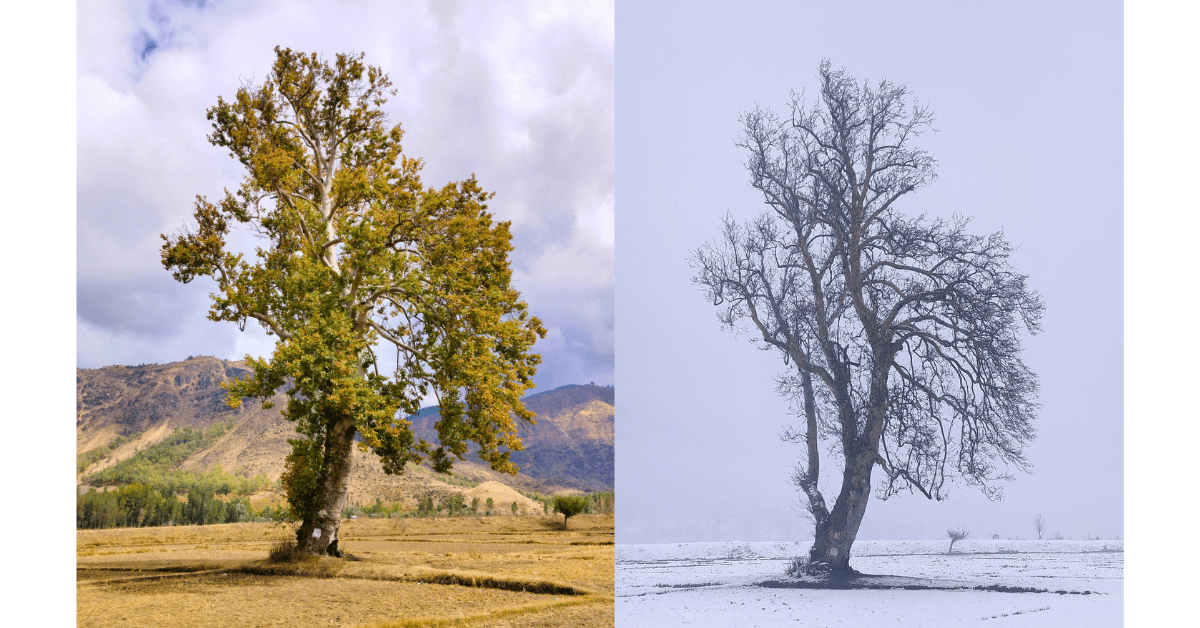
If you have ever spent a winter in Kashmir, you know the quiet majesty of the Chinar tree.
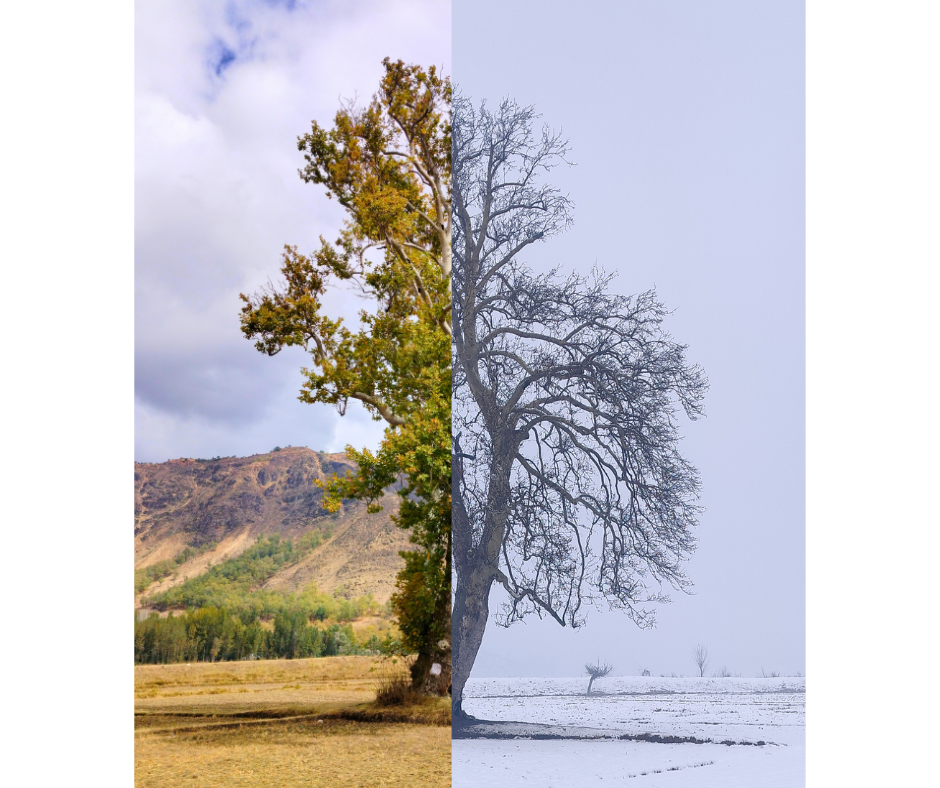
In the summer, it is massive, green, and full of life. But when autumn arrives, something violent seems to happen. The leaves turn the color of fire, dry up, and fall to the ground. By the time the harsh winter sets in, the tree is stripped completely bare. It stands naked in the freezing snow, looking utterly destroyed.
But if you look closely at the Chinar, you will notice something profound: the tree does not panic.
The Human Obsession with Holding On
Human beings could learn a lot from the Chinar.
When the seasons change in our own lives. When we lose a close friend, when a dream we worked hard for suddenly falls apart, or when a comfortable phase of our life collapses, we panic. Our immediate instinct is to hold on. We cry, we stress, and we desperately try to tape the dead leaves back onto the branches. We convince ourselves that if we lose these people, these familiar routines, or the futures we had perfectly planned out in our heads, we are going to lose our very identity.
We view loss as an ending. But nature views loss as a basic requirement for survival.
Why the Tree Sheds Its Leaves
The Chinar tree doesn't drop its leaves because it is dying; it drops them because it is smart.
If the tree kept its broad leaves during the winter, the heavy snow would pile up on them. The weight of the snow would snap the branches and permanently destroy the tree. By dropping the leaves, the tree is actively protecting its core. It is letting go of the things it can no longer support so that it can redirect all its energy down into its roots to survive the cold.
Sometimes, the universe does the exact same thing to us.
When a comfortable chapter abruptly closes, or when familiar environments suddenly shift, it feels like you are losing pieces of yourself. But often, nature is just stripping away the dead weight. If you carried those outdated habits, those expired goals, or those outgrown attachments into the next phase of your life, their weight would break you.
Trusting the Winter
When you are left standing alone in the cold, it is easy to feel like you have been left behind. It feels empty. It feels silent.
But just like the Chinar in December, you are not dead; you are just in a season of deep, invisible growth. The energy isn't on the outside anymore. The growth is happening underground. You are building thicker skin, deeper roots, and a stronger foundation.
The next time life forces you to let go of a path you thought you would walk forever, do not panic. Do not desperately try to hold onto things that have already run their course. Let the dead leaves fall to the ground. Stand tall in the winter, protect your roots, and simply wait.
Spring always comes. And when it does, you will grow entirely new leaves.
As the old, unbreakable wisdom of our land goes:
Wande chali, sheen gali, beye yi bahaar.
(Winter will pass, the snow will melt, and spring will come again.)
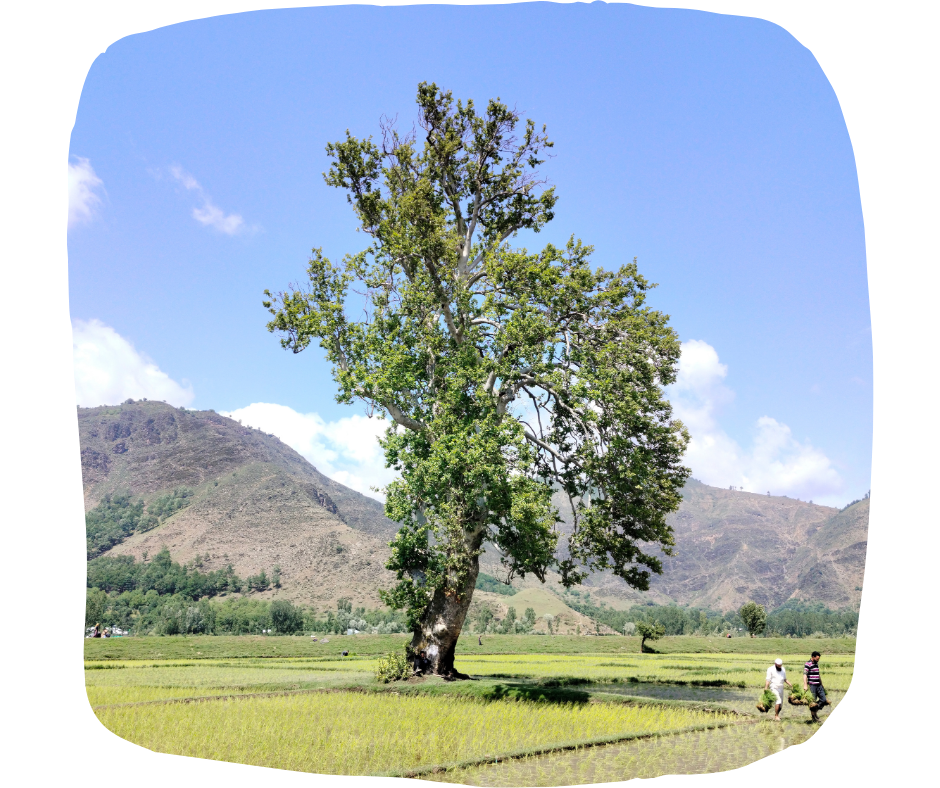
You too will grow entirely new leaves.